
Interview with Student Managers of Y2 Montessori School - Adolescent Community
"Dear P: Your stay at Y2 B&B is scheduled for November 20th. We will provide towels for you; however, please remember to bring your own toothbrush and toothpaste. Regarding your request for a receipt, it will be provided to you upon your departure. Thank you."
"Your vegetables and eggs are more expensive than the supermarket's. Why should the kitchen buy from you?" "That perspective devalues the hard work of farmers!" "Our small soap business has a surplus. Aside from keeping some cash in the cashbox, we plan to donate 6,000 TWD to Greenpeace. What does everyone think?"
These aren't emails from a hospitality chain or negotiations in a corporate boardroom; they are real conversations happening on the Y2MAC Montessori school campus. They range from polite external communication to intense internal debates over costs and profits. The CEOs and CFOs here are middle and high school students. Jim, an 11th grader, serves as the Business CEO. He has coordinated the development of Y2MAC small businesses since middle school. Handmade soap is their star product, and this year he plans to launch a leather wallet line. Arthur, a 10th grader, was a long-time Farm Manager with a knack for resource allocation. He recently stepped up as the Y2 B&B Manager. The youngest is Elain, a 9th grader. Despite not being an expert cook, she bravely took on the role of Kitchen Manager, coordinating food procurement, budget control, and staff scheduling.
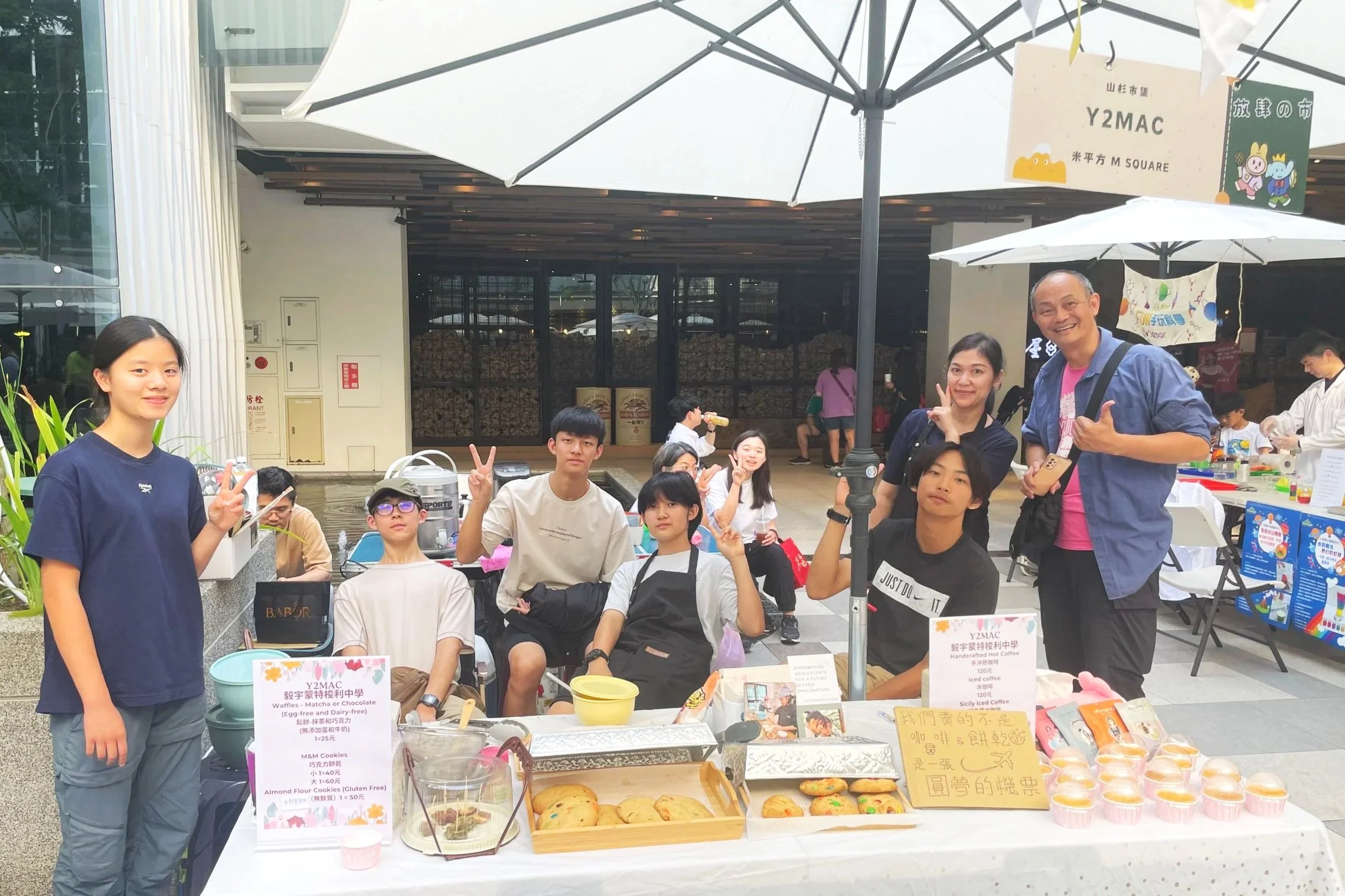
Students head into the community to sell handmade cookies, transforming their imaginative creativity into tangible surplus and a sense of achievement.
Stepping Up to Cultivate Exceptional Abilities
Why take on a leadership role? All three students shared a common sentiment: "I wanted to challenge myself" and "I wanted to hone my skills." This reflects the unique system of a Montessori middle school. Principal Jan points out: "Ages 12 to 18 mark the beginning of adolescents learning how to become adults. Montessori education emphasizes allowing students to develop leadership through 'learning by doing.'" Crucially, "leadership isn't about giving orders. It’s about learning to organize and serve others." In other words, if no one wants to do a task, the manager must communicate, negotiate, and even roll up their sleeves to ensure the team functions smoothly.
The manager system at Y2MAC is a microcosm of the real world. Through production and exchange, creating an item and exchanging it for something of equal value, students learn to see the big picture. If they don't understand net and gross profit taught in math class, they lose money. If they don't grasp balanced nutrition, the whole school ends up with a nutrition-deficit menu. If the farm uses the wrong fertilizer, the harvest fails. Because there is a real-world need, students naturally learn to apply their knowledge—often teaching themselves to bridge the gaps.
Jim, who oversees Business for Production and Exchange says with sparkling eyes: "I love Business because I see everyone’s wild creativity become a reality. I enjoy the satisfaction of working on a big project as a team, and the sense of achievement in coordinating it all. When we hit a problem, I focus on finding a solution and building consensus!"
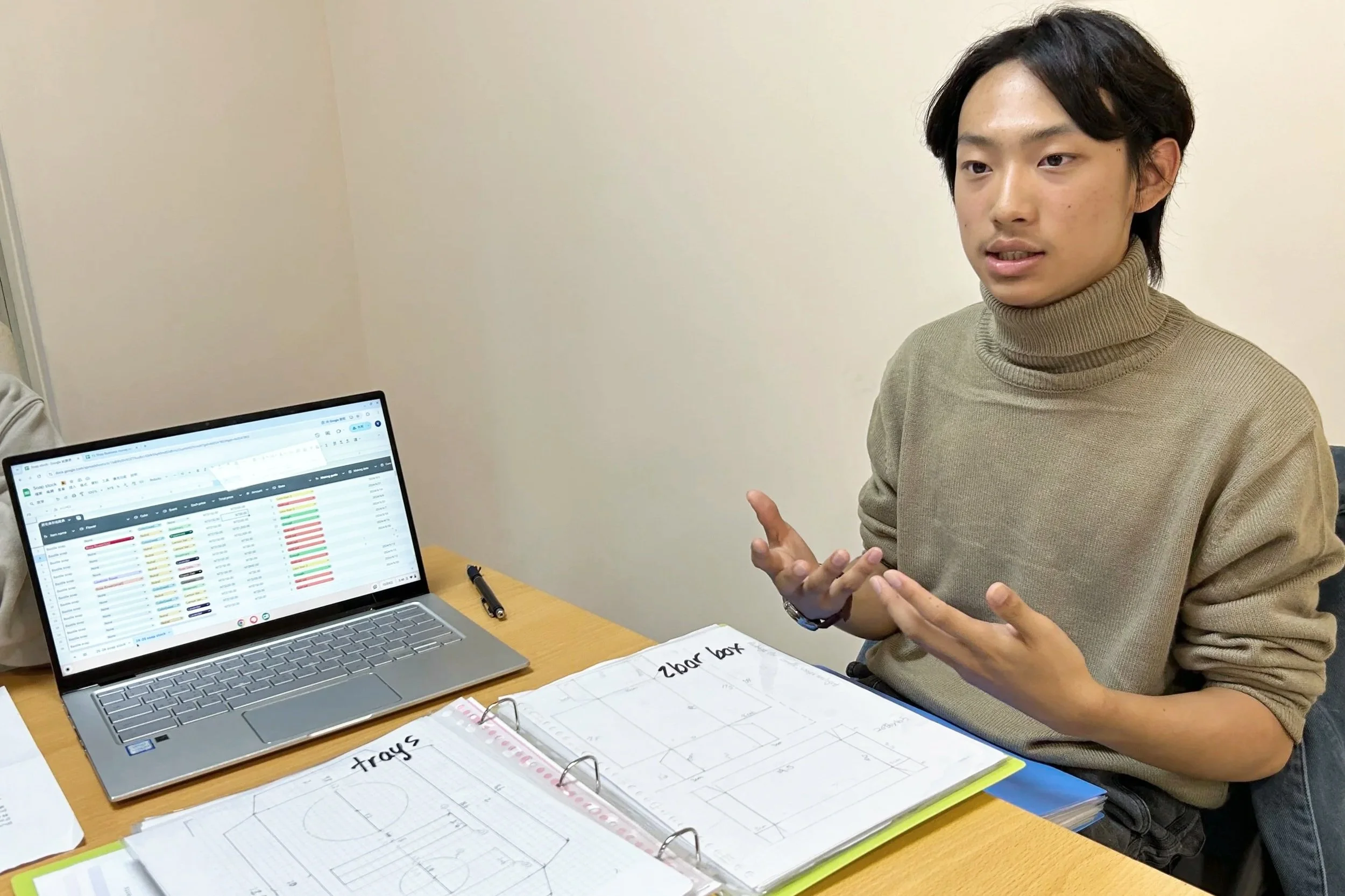
Jim shows his management sheets, bringing professional SOPs and color management to campus products.
The Small Business product lineup includes handmade soaps, candles, cookies, and more. Jim holds a stack of files explaining sales logic, shipping records, and packaging designs. Opening a folder of dense spreadsheets, he excitedly explains: "Last year, two soap types used red packaging, which caused chaos during shipping. So, I designed a new tracking sheet categorized by color. This year will be much smoother." Jim developed projects in 8th grade, integrated O2O (Online-to-Offline) systems in 9th grade, and designed digital forms by 11th grade. His professionalism rivals adults. His color management is essentially a manufacturing SOP. To avoid repeating mistakes, he researched Excel functions online, unintentionally building deep business logic and practical skills. "What is perfection? I think the definition of perfection needs to be discussed by everyone," Jim says maturely.
Mentioning past “mistakes,” the managers nod in shared memory. Arthur recalls: "Everyone suddenly became very rational—different from their usual selves—showing skills they normally don't display." Elain remembers: "At 10 PM, we were still busy measuring paper and re-packaging. The atmosphere was very calm." Jim was moved: "Everyone knew there was an error and a deadline for Christmas gifts, so everyone helped each other. In the debriefing, we decided the forms and packaging needed to be clearer and more identifiable." Learning to solve problems from mistakes is a priceless life lesson. The camaraderie formed through supporting one another has created a dense emotional network that will accompany these youths as they move forward.
Further Reading: Virtues of Being Water: The Unseen but Beautiful Transformation
Production and Exchange on the Farm
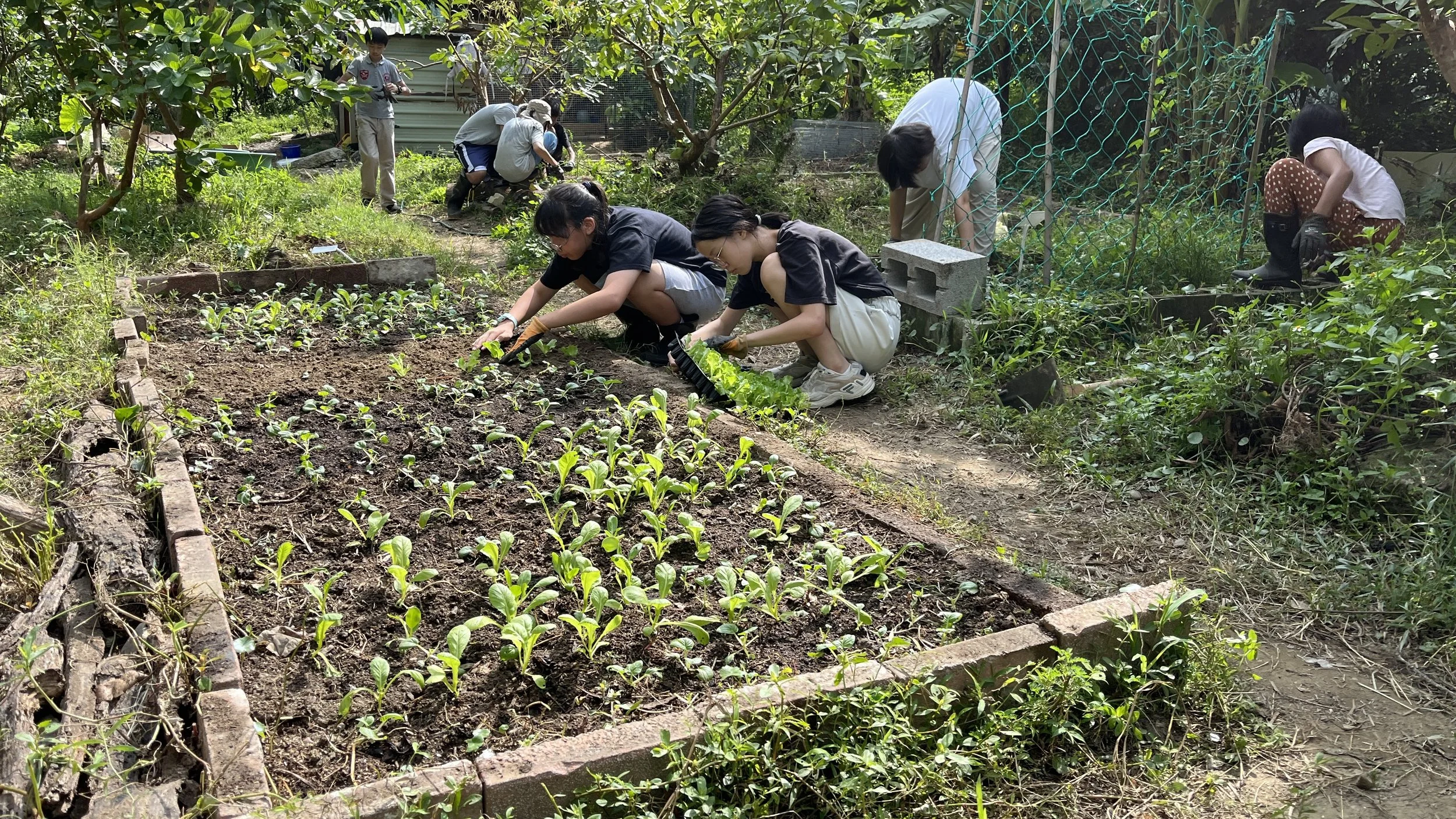
Adolescents working side-by-side on the farm. Through their connection with the land, they learn responsibility, collaboration, and respect for natural resources.
Montessori philosophy places great importance on farm work. The farm is not just for observing ecology or creating future farmers. It involves complex operations, safety protocols, and micro-economics and forms the basis for many areas of study. Every student rotates through farm work, and the Farm Manager is the soul of this vast system.
Arthur, who has loved animals and plants since childhood, actively lobbied to become manager in 8th grade. Managing a farm is no small feat—it includes a chicken coop, beehives, planting zones, composting, and tool sheds. To ensure a good harvest, Arthur researched growing seasons and fertilization, establishing an orchard with mango, guava, banana, and kumquat trees. "And mulberries! They were delicious, though that patch eventually failed," the students recall with a sigh.
"My brain works faster and clearer on the farm. My senses are wide open," Arthur says. He prioritizes safety, having written an SOP to teach lowerclassmen how to use power equipment like woodchippers. However, tools still went missing, leading him to create a tool-lending registry. He even handled a land dispute and researched how to obtain legal usage rights and demarcate boundaries. Instead of asking adults to help, these teenagers spoke with the landowner and became the area’s only legal users. Their project management skills grew through navigating such real-life events.
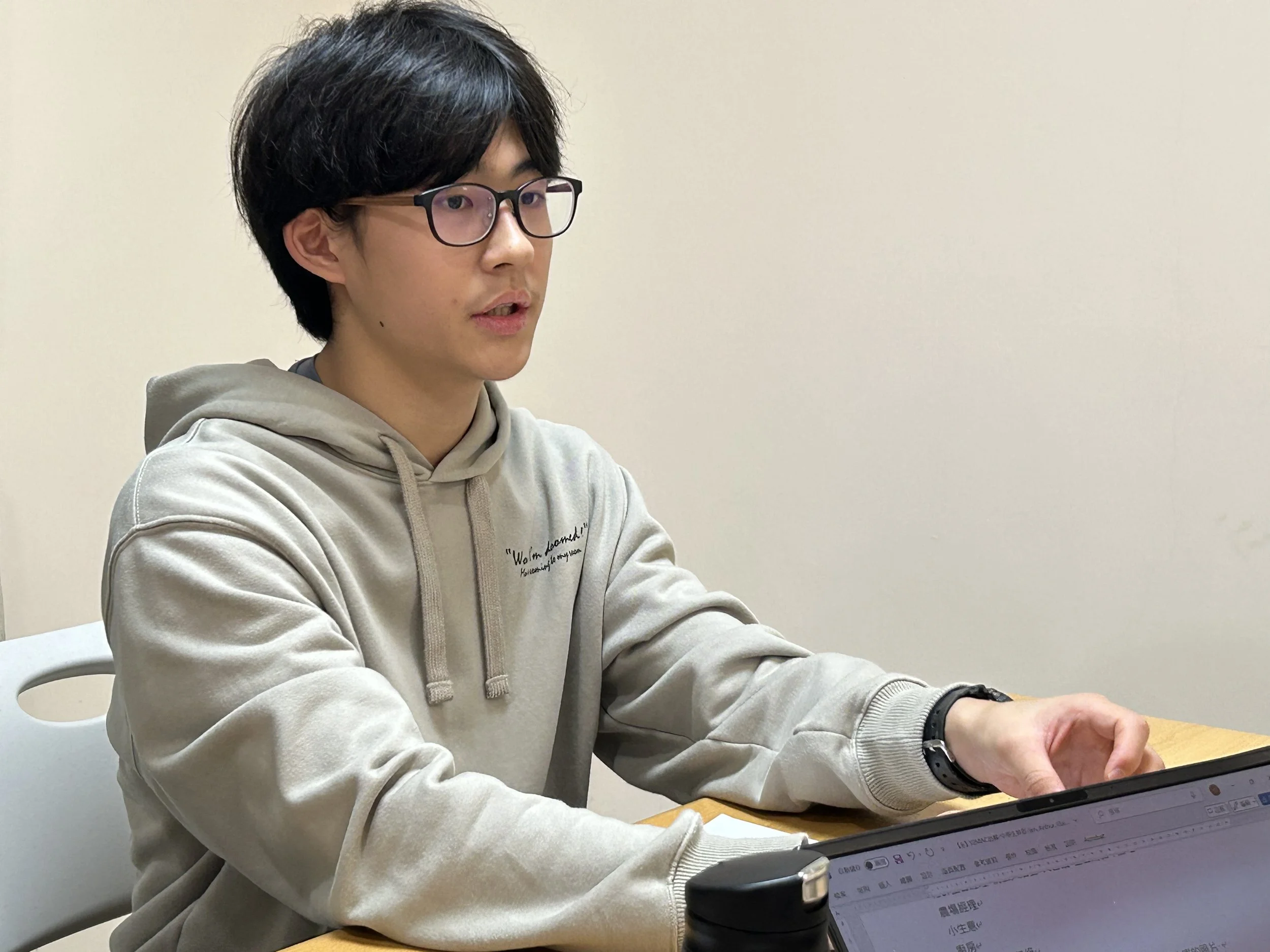
10th grader Arthur, a long-term Farm Manager, excels in operational management and resource allocation.
In 2025, the school began encouraging students to examine how the farm contributed to production and exchange. Previously, farm produce was simply given to the kitchen; now, it’s strictly business. "Why should the kitchen buy eggs and lettuce from the farm?" This question sparked heated debates. "The farm's lettuce arrived with three or four snails! And there was dirt and water in the bag!" Elain, the Kitchen Manager, pointed out quality control issues. "That just means it's fresh!" Arthur responded, a dialogue that left everyone frustrated but also amused.
The biggest issue—pricing—remains a work in progress. Arthur discovered one reason for the high costs was that "farm tools break easily." Before adapting the new model, they would just ask the school administrators for new ones. Now, equipment is a business cost. The habit of misusing or losing tools became visible. The first step was establishing know-how for tool use, as well as repair and return rules. The second bug in the system was that the students didn't understand depreciation in accounting, causing the cost of goods sold to the kitchen to skyrocket. While they are still negotiating market pricing and supply-demand balance, the communication process has already become a valuable lesson.
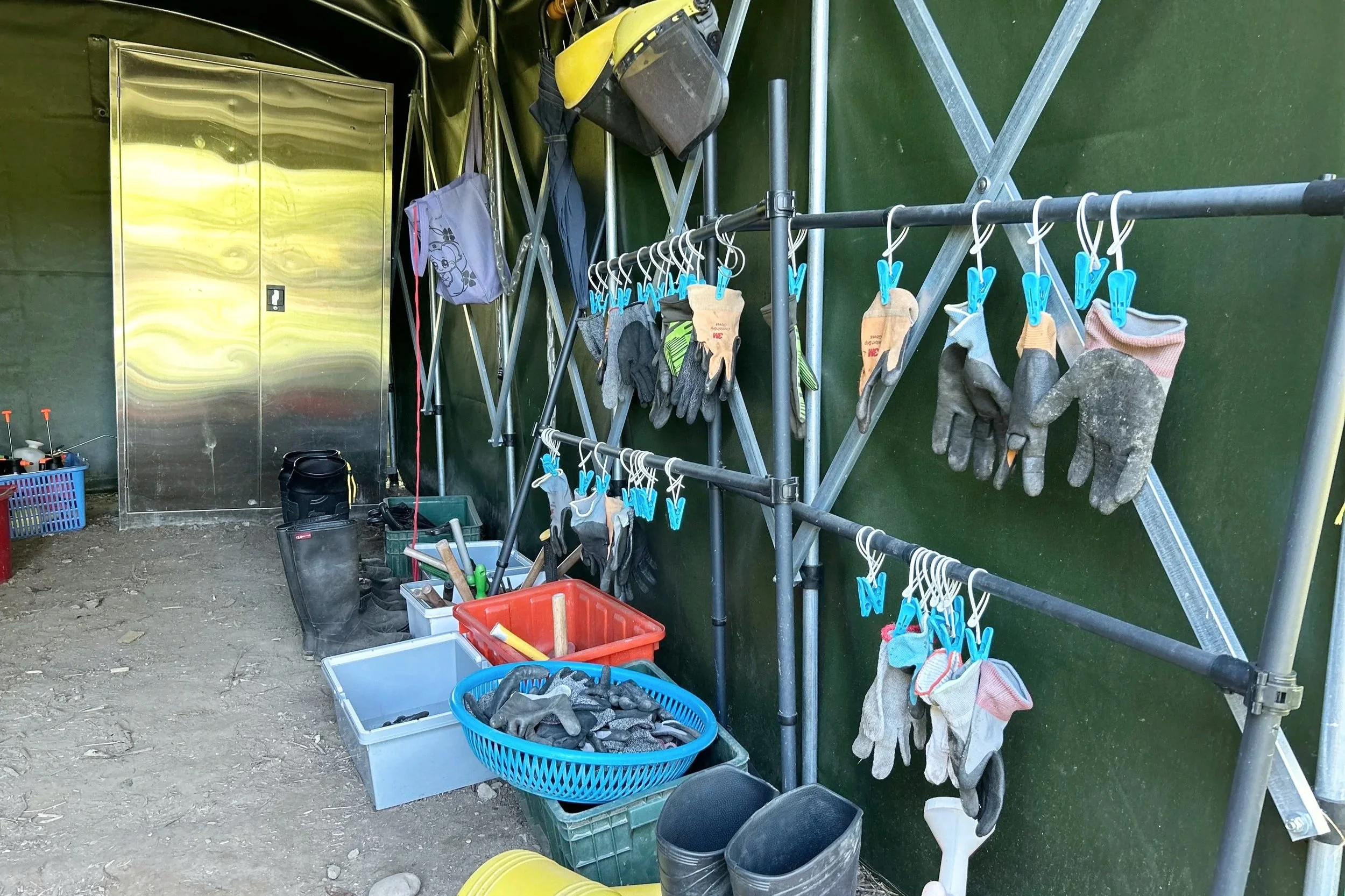
An orderly farm tool shed. Establishing operational know-how and return protocols was manager Arthur's first step after identifying cost black holes.
Rising to the Occasion: Growing Under Pressure

Challenging herself as Kitchen Manager, 9th grader Elain manages food sourcing and administrative operations.
Elain, the current Kitchen Manager, is shy and introverted but has an inner fire. "I wanted to find something challenging to do," she says. "I wanted to grow faster under pressure." With seniors moving up to high school, she felt the urge to develop leadership skills quickly.
Kitchen work is full of situational problems. Tasks are goal-oriented: Some buy ingredients, some design menus, some cook. Managing English ingredient lists, nutritional analysis, self-made recipes, and dietary restrictions is a massive undertaking. "Since taking over in September 2025, my adaptability has improved," Elain smiles. When a shopping list error leads to missing ingredients, she must find alternatives on the fly. When vegetable prices spike, she must adjust the 60 TWD per student per meal budget.
Now that Arthur becomes the B&B Manager, she must coordinate with him to ensure the visitors’ needs are met. "Initially, I couldn't even boil an egg," Elain laughs. "Now I’ve grown so much in cooking processes, budget control, and nutrition. I finally understand why my mom has to start preparing two hours early to make sure our meal arrives on the table on time!"
Further Reading: The Montessori Adolescent Education Observation Program: Cook Your Own Lunch
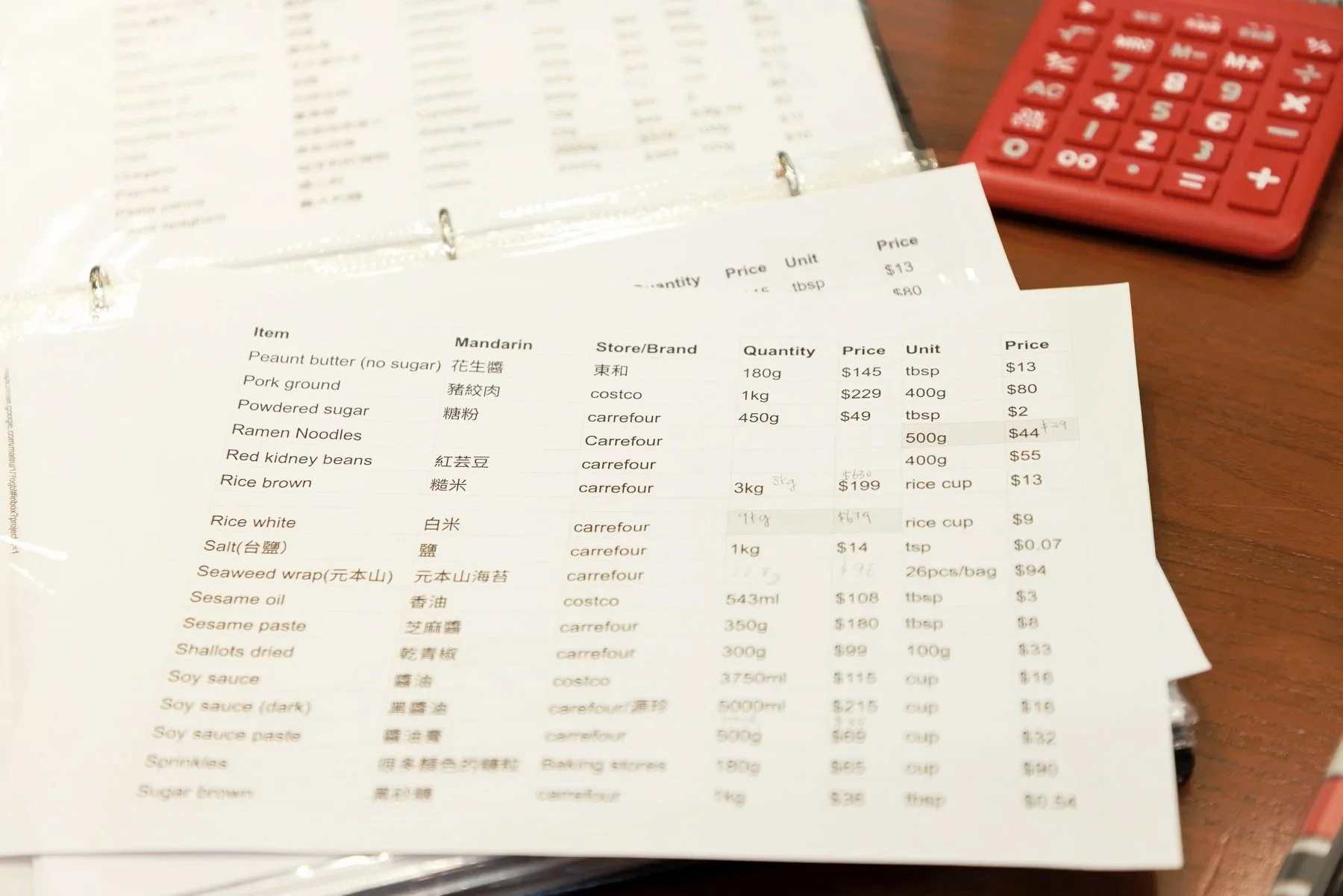
A grocery list created by students, filled with items and unit prices. It is both the Kitchen Manager’s secret to budget control and a real-world math exercise beyond the textbook.
Discovering Oneself Through Leadership
The leadership of these student managers is evident. Their confidence and poise are striking. Jim feels his greatest growth is his "attitude toward mistakes." As a manager, you can't worry about saving face. You have to take responsibility. Arthur intentionally moved from the farm to the B&B: "I wanted to interact with external guests and hone my communication and management skills." Elain is no longer shy: "I just focus on how to do the job well."
These teenagers are clear about the choices they’ve made. In the interview, "honing myself" was the most frequent phrase used. These field notes on communication, decision-making, and cost-balancing are experiences no textbook could provide. Every discussion in the student council and every skill learned in this micro-society prepares them to face the unknown with composure. Whatever the future holds, these adolescents—who have learned to roll up their sleeves—possess the resilience and confidence to meet the world on their own terms. ◪
Related Story: Knock-Knock, Open the Mysterious Door of A Montessori Middle School
Text by Yu-Hsiu Su
Photography by Y2MAC, Pei-Yi Li
This article is featured in the Y2 2025 Annual Report.