
Interview with Teachers and Students of Y2MAC
"Time flies like an arrow" is a cliché often heard during graduation season. Yet, for the first graduating class of this Montessori middle school, one must also add footnotes such as "pioneering hardships," "revolutionary camaraderie," and "bridging the past to the future."
Allowing Things to Happen Naturally Within a Culture of Trust and Freedom
In 2021, Jan Gaffney, a seasoned educator with over thirty years of Montessori experience, traveled from New Zealand to Taiwan to serve as the Principal of Y2 Montessori School - Adolescent Community (Y2MAC). The team scouted locations across Taiwan and sought like-minded faculty, a process akin to searching for an oasis in a desert. Ultimately in Hsinchu, they cultivated Taiwan’s first fully residential Montessori middle and high school.
The Y2MAC curriculum spans Grades 7 to 12, seamlessly connecting junior and senior high school levels. The campus is not merely a place for academic learning. It is a microcosm of society operating through authentic "work" and supporting the adolescents’ transition from the family to the world beyond.
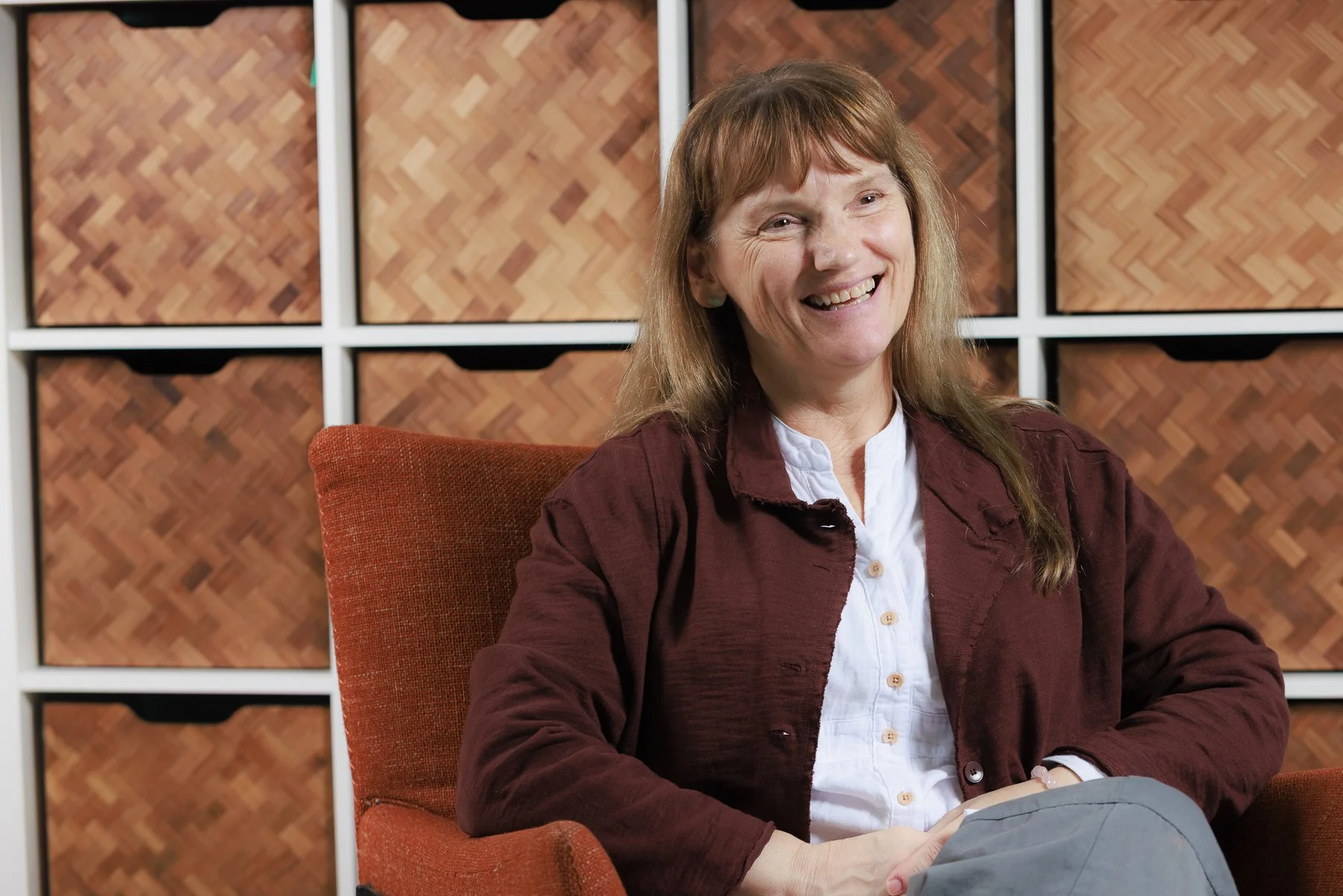
Moving through the time of turbulent transformation, Jan notes that the three years of junior high are a critical period for character building. The school's role is to provide a space where these abilities can take root and flourish.
Montessori Glossary: "Work" in a Microcosm of Society
A Montessori middle school is viewed as a microcosm of society, one where all the components of adult society is there for the adolescents to learn to function in before they are let loose in the big wide world. Learning here isn't just classroom exercises or rote memorization. It consists of purposeful and productive "work," such as farm management and school administration. By undertaking real responsibilities that contribute to their community, adolescents affirm their self-worth and prepare to become independent citizens.
In 2025, Y2MAC’s high school started when the junior high students moved on to grade 10. Having entered as young and innocent, they have grown into poised, dignified, and open-minded adolescents. On the day of the interview following lunch, the teenagers were seen organizing and cleaning the kitchen with rhythmic precision. Cheerful laughter mingled with the clinking of dishes, yet the air held a sense of serene stability. Watching them, Jan tapped her forehead, smiled, and said: "Amazing!" She attributed this to the fact that "the school has a sound organization and system that allows things to happen. You must give the adolescents enough trust and freedom for this to manifest."
The growth of a 12-to-15-year-old is like a trickling stream becoming a river. It is rarely a loud proclamation of "I’m all grown up," but rather like still water that run deep. Jan shared how observant students now proactively offer help when they see a need, whether assisting with translation or quietly accompanying a sick peer, and then silently return to their own tasks once the matter is resolved. "Adolescents who help others don't draw attention to themselves," she noted. To Jan, these subtle acts of kindness are the most beautiful tributes to their growth.
Three Years of Building Deep and Tight-Knit Bonds
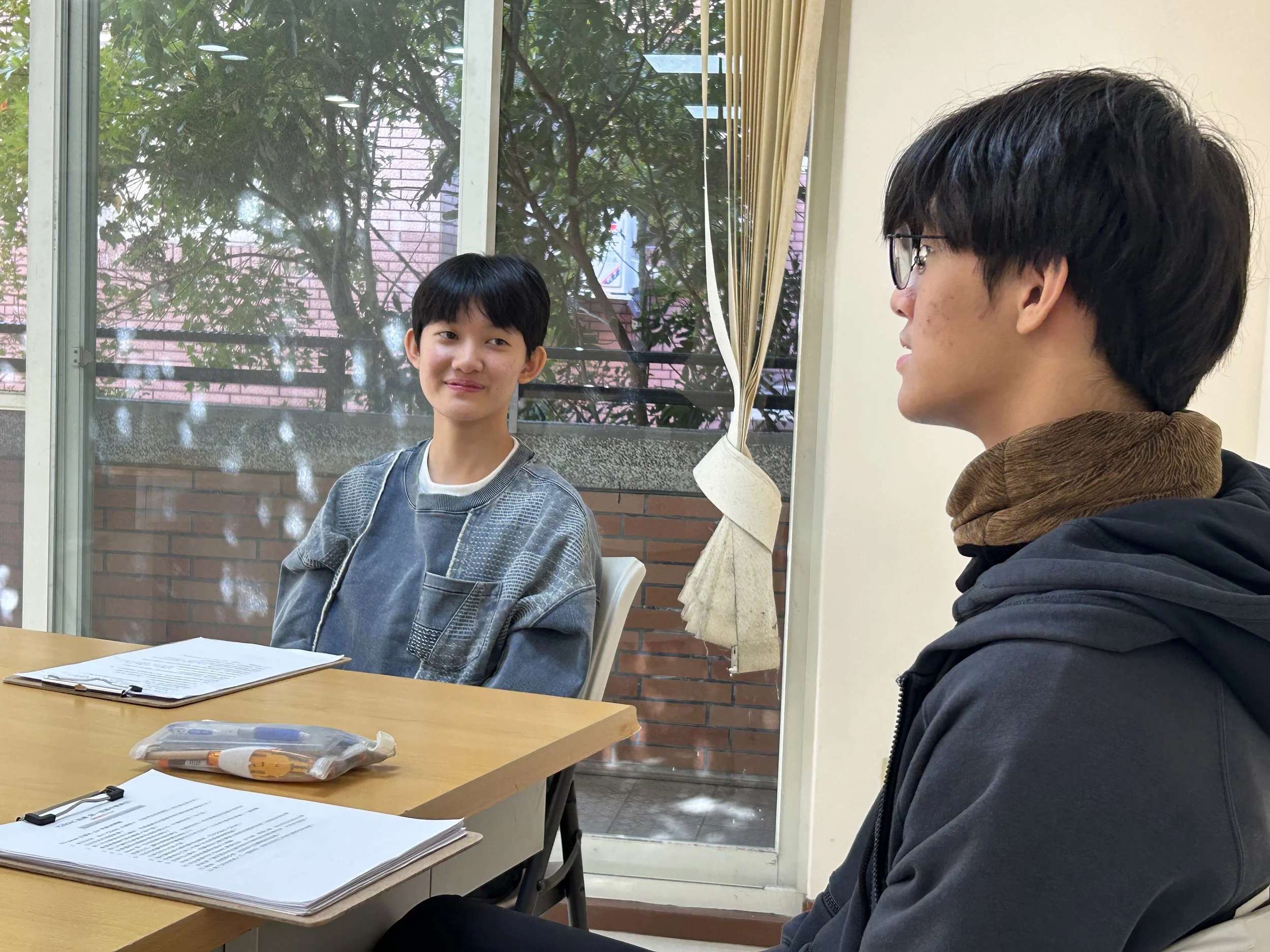
Reflecting on their time at Y2MAC, Jason (right) says his greatest takeaway was learning to self-correct through mistakes, while Chloe (left) shares that she discovered a clearer, more empowered version of herself.
The first middle school graduating class consists of eight students from diverse backgrounds – some grew up in Montessori environments, some came from experimental schools, while others came from traditional public elementary schools. Their parents hoped for a more student-centered education that would allow their children to discover and utilize their unique talents.
Jan pointed out that these students have made immense strides in critical thinking, planning, and execution over the past three years. What moved her most was the strength of the community. Their willingness to support one another academically and emotionally was stronger than any cohort she had seen in other schools. "Perhaps it's because they live and breathe together. I rarely used to hear kids saying 'Love you’ or ‘bro'. They are now much more comfortable expressing affection!" Jan laughed.
Chloe, a member of this inaugural class, feels the same. Seeing the teachers pour their lives and passion into this first group inspired the students to feel a responsibility to be role models for the lower classmen and even to help ease the burdens of their teachers. "We are the first graduates; everyone is watching," Chloe said with maturity.
In the early days of the school, everyone was finding their way. As the seniors matured, they naturally passed down the school’s norms, the unique learning styles, the purpose of the farm, and the meaning of "work" to the newcomers without needing reminders from the faculty. "The newcomers are really lucky," Chloe remarked, noting that even emotional support is passed down. "New students inevitably get homesick. I might not fully understand their specific situation, but I try my best to see where they are struggling and provide mental support."
Visible Changes
Jason, who just started the 10th grade, reflected on his own journey. He feels his mindset has shifted significantly, and he has cultivated better habits, includig planning skills, positivity, tolerance, and learning from others. "I feel more independent now. Before, independence meant finishing a task by myself. Now, it includes a sense of responsibility as my roles keep shifting," he analyzed with clear logic.
Chloe jokingly recalled how she used to be dependent, lacked a sense of responsibility, and was somewhat guarded because she could always leave things to her older brother. "At home, I’d say I’d do something and still wouldn't have done it a week later. Now, if I promise something, I do it immediately." She spoke with confidence, having transformed from someone afraid to ask questions into a leader in the eyes of both teachers and lowerclassmen.
An Environment that Permits Mistakes Empowers Children
How did these students undergo such a "coming of age" in just three years? Chloe believes it is because "the environment is friendly. No one negates or mocks your ideas." Consequently, she is now eager to help whenever she can. Jan emphasized: "Trial and error is vital. Adolescents need someone to accompany them in reviewing and improving. Adults shouldn't intervene aggressively but should help adolescents broaden their horizons and guide them in problem-solving."
This tolerance for mistakes removes the fear of criticism. Jasper, a 10th grader, remembered once forgetting that a classmate required a gluten-free diet and failed to prepare the correct ingredients. Thanks to the supportive environment, he felt empowered to improve and now pays much closer attention to detail.
This culture also made Chloe more willing to help others. When the newcomers don't know how to clean the dorms, she patiently observes their progress and only steps in to guide them when necessary. Jason echoed this sentiment: "Sometimes new students don't know the rules and do things that affect others, like getting too excited, being too loud, or jumping around and breaking furniture. As a senior, I feel it’s my duty to help." Their teacher, Fankan Hsu, noted the impact: "Even as the student body size grows, the teachers aren't getting more exhausted, because the seniors have already helped answer many of the lowerclassmen’s questions."
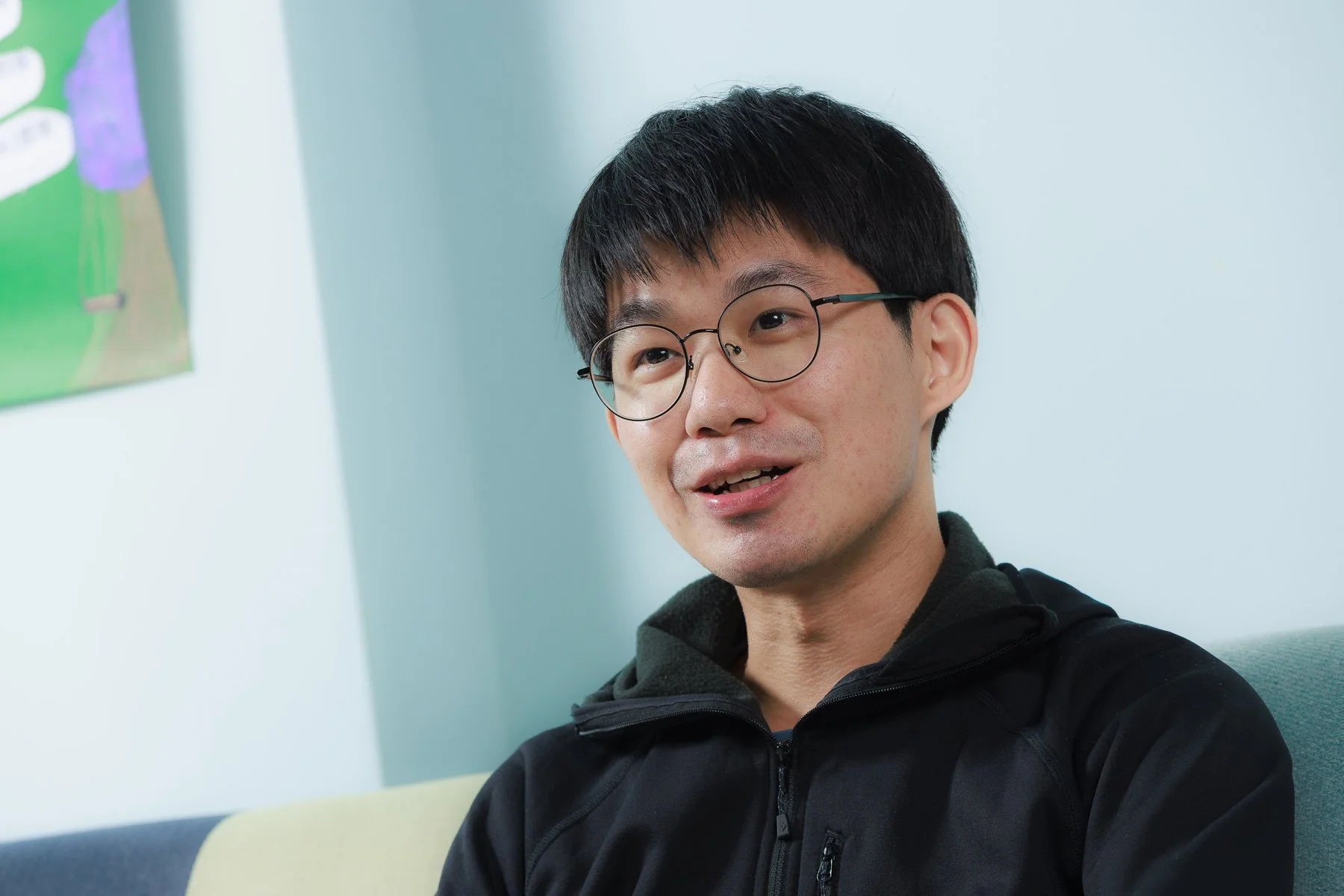
Fankan observes that through project-based collaboration, students move from detachment to a deep sense of belonging to the land and the group. This transition from "uncertainty" to "self-construction" is a hallmark of maturity.
Different Learning Styles Build Different Strengths
At a Montessori adolescent community, teachers are guides. “What do you want to learn? What interests you?” Students must explore these questions actively. Fankan, a guide who also works with students in mathematics, recalled that his most emotional moment wasn't a single event, but a collective portrait of “students sitting in the classroom, doing their own thing at their own pace, completely focused in the moment. I thought, 'Wow, this is Montessori.' There’s a profound sense of gratification in seeing teenagers feel free to be themselves."
He remembered the first-year students arriving in 7th grade with "drifting, insecure" expressions. Now, their smiles radiate confidence. Fankan worked hard to make students want to spend more time on the dreaded subject of mathematics out of their own volition. Josephine, now in 10th grade, had been afraid of math since childhood. However, in 9th grade, she proactively approached Fankan for the first time to clarify a problem. "That was the result I wanted!" Fankan cheered internally. Another one of Fankan’s gratification is that after three years of waiting, the students were finally no longer afraid of math and have a closer relationship with it.
Chloe appreciates that Montessori education doesn't require grades to prove one's worth. The flexible curriculum allows her to research and explore her interests. "I used to hate math, but Fankan is so warm and patient that he made me fall in love with it again." For Jasper, his favorite part of the last three years has been the Projects. He spent significant time researching what foods are beneficial to the human body—what to eat, how to eat, and how much—and felt he gained a great deal from the self-directed study.
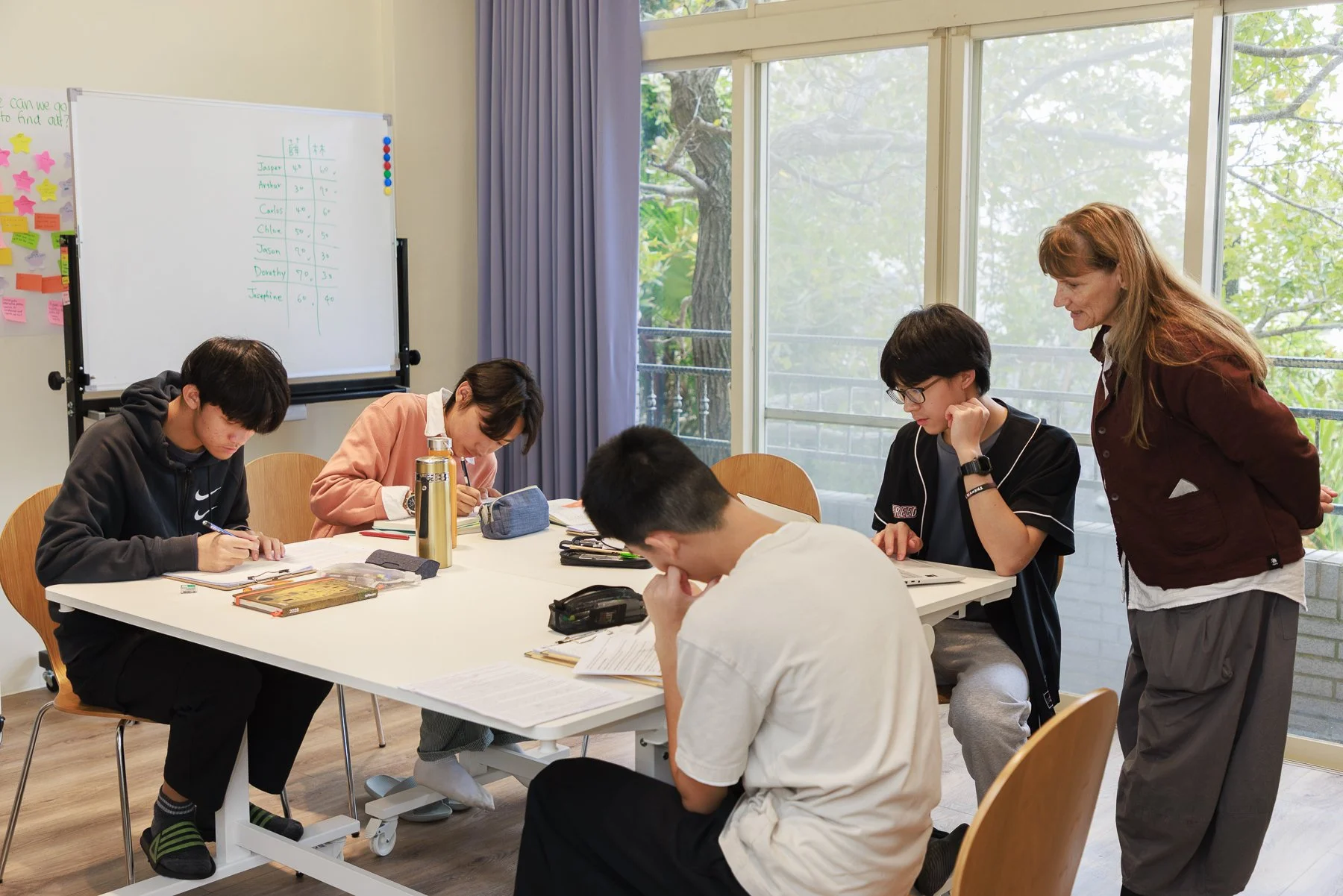
In the classroom, teachers step back as guides. When learning is no longer just for exams, adolescents can calmly explore their interests, building an active hunger for knowledge.
These seemingly natural changes are actually the result of the adults’ countless subtle observations, records, and guidance. Fankan explained that for 7th graders, "the content shouldn't be too linear, nor too hard or too easy." Guidance is tailored: "For a student with high self-expectations, you can't push too hard, or it creates too much pressure. You also can't bluntly point out their lack of focus, as it might wound a highly sensitive student’s self-esteem."
To help students realize that learning is their own responsibility, all the guides of Y2MAC employ the strategy of self-reflection. At the start of each term, students do Goal Setting and perform a Self-Assessment based on those goals at the end of the term. For example, if a student sets a goal for four math assessments but only completed two, Fankan will ask the student: "Is four too many or too few for you? What problems did you face? How can we solve them?" Furthermore, he guides them to think: "Was the content challenging enough to help me grow?" Through four self-reflections each year, the students’ natural change and growth become evident.
"Education is ultimately about cultivating the ability to learn, think, communicate, and express oneself, not just solving math problems. Through this process, students develop their own working styles and practice resetting goals and self-learning," Fankan analyzed.
Further Reading: Virtues of Being Water: The Unseen but Beautiful Transformation
Practicing What is Learned in Daily Life
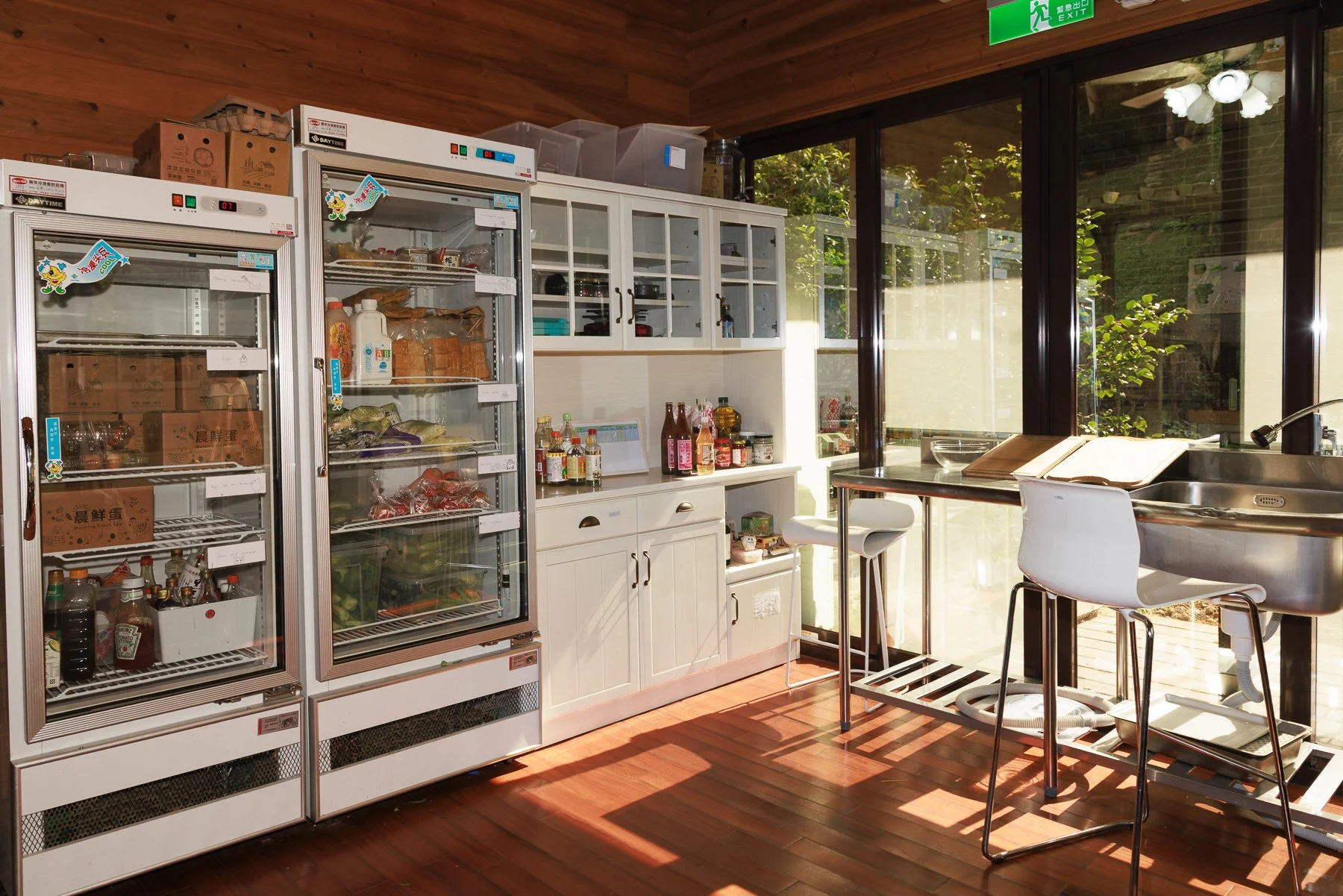
Afternoon sunlight fills the kitchen as ingredients are meticulously sorted and labeled. At Y2MAC, students don't just gain knowledge. They "learn to live and live to learn," developing lifelong self-discipline and an authentic attitude toward life.
Parents see the growth most clearly. Children who never lifted a finger in the kitchen have become skilled cooks. Teenagers who used to leave dirty clothes for their parents now manage their own daily chores. Those who had no concept of money have become savvy with finances.
Three years have passed, and these graduates have learned more than just practical life skills. Through countless real-world interactions, they have acquired problem-solving abilities, critical thinking, project management skills, and independence. "Look back at how far you’ve come," Jan said emotionally. The three years of junior high are a critical period for character building. "In high school, the focus shifts to self-exploration: Who are you, and what do you want to do?" she reminded warmly. The school’s role is to provide the space for these abilities to grow from within their character.
Finally, Jan expressed her deep gratitude to the parents for their support and the Y2 Foundation for its unwavering backing, allowing the school to operate without worry. As Chris, a new teacher who has seen Montessori schools around the world, puts it: "The Montessori middle school in Taiwan might just be the best in the world!" ◪
Related Story: Knock-Knock, Open the Mysterious Door of A Montessori Middle School
Text by Yu-Hsiu Su
Photography by Fu-Sheng Li 李復盛
This article is featured in the Y2 2025 Annual Report.